
Oakminder is a solo project. One person designed it, built it, and ships it. Everything on this page is my actual background, not a team bio or a company origin story.
The long version
Drawing in MS Paint (2003)
I was three years old, sitting in front of an old computer, drawing Mickey Mouse and Donald Duck in MS Paint. I didn’t know what “design” or “software” meant. I just knew I liked making things on a screen. That feeling hasn’t changed in over twenty years.
Art and design awards (2006-2009)
I started learning painting and art properly. Won several awards for it. Then I discovered graphic design, animation, and 3D concepts. I ended up working on four national-level education projects before I was a teenager. The pattern was already there: I liked building things that other people could use.
Computer science (2016)
Where I’m from, the “smart” path is medicine. I picked computer science instead. Started a bachelor’s in CS and got into competitive programming contests. It was the first time I realized that writing code and designing interfaces were two sides of the same thing. You’re solving someone’s problem either way.
Full-stack development (2019)
I built full-stack programs and apps from scratch. Pure HTML/CSS, JavaScript, Java, Python, PHP. No frameworks, no shortcuts. Just raw code and a lot of Stack Overflow. It was painful and slow, but I understood how everything worked underneath. That matters more than most people think.
UX design and modern tools (2020)
I found UX design and Figma, and something clicked. I also picked up modern dev frameworks and mastered Webflow. Started helping small and medium businesses worldwide build their web presence. Design and code stopped being separate disciplines for me. They became the same craft.
Lead designer and developer (2024)
Started a master’s in CS. Joined Uhttention as lead designer, lead Webflow developer, and staff web developer, working with US and European brands and startups. This is where I learned what production software actually means. Not just “it works,” but “it works for thousands of people who don’t care how you built it.”
My take on AI
I’ve been designing since 2009 and coding since 2016. I care about this stuff. But when I started using AI seriously, everything changed. My productivity didn’t just improve, it multiplied. What used to take me months now takes weeks. What used to take days takes hours. The learning curve for new frameworks, the speed of prototyping, the ability to ship a full cross-platform app as one person, all of that became possible because AI 10x’d what I could already do. Before Oakminder, I’d already been building with React and React Native through AI-assisted projects. I helped a friend prototype a React Native app and worked through the patterns myself on side projects. So when I decided to go all-in on a native app, I wasn’t starting from zero. I had the reps. AI just let me move through the unfamiliar parts faster.
AI didn’t teach me how to build good software. It let me build it 10x faster. That’s a difference worth understanding.
How I found Expo and RevenueCat
I spend a lot of time on X keeping up with tech founders and developers. That’s where I first came across Expo. I had React and React Native experience from earlier projects, plus years of design work, but I hadn’t gone all-in on building and shipping a native app myself. This was the first time I committed to taking something from zero to the App Store. Expo kept showing up in conversations I trusted, and it looked like the right way to do it. What I didn’t expect was the sheer volume of platform-specific gotchas. iOS has its own rules about what notifications are allowed to do, which background tasks can run, how billing integrations behave, and what libraries actually work. Some frameworks handle these differences for you. Some just silently break. You don’t find out which is which until you’re deep into a build and something stops working. Expo simplified that discovery process significantly. It didn’t eliminate the complexity, but it gave me a sane path through it.
Previous work
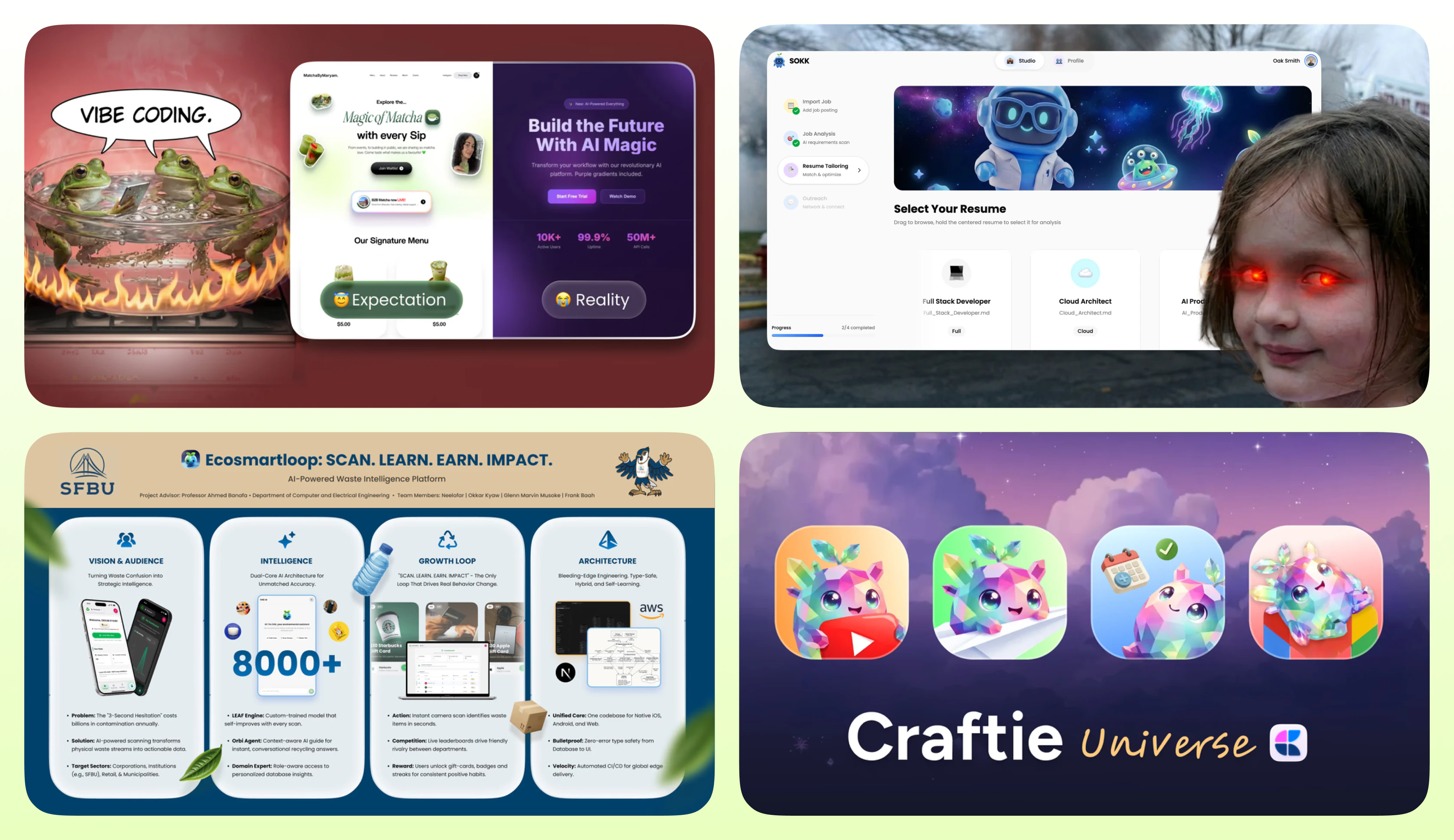
Match by Maryam
Redesigned a matcha brand’s web presence. 65% trust boost and actual brand deals.
AI Memory & Hallucination Solution
Career assistant that reduced hallucination rate from 24% to under 3%.
EcoSmartLoop
AI-powered waste sorting for California’s SB 1383 compliance.
Personal Software Era
5 apps in 4 weeks. What happens when design experience meets AI-assisted development at speed.
What’s next
I’ve finished my master’s in CS, actively looking for roles where I can combine design and engineering, and connecting with people who care about building good software. If you’re reading this and that sounds interesting, I’d like to hear from you. Oakminder isn’t going anywhere. Apple Watch, iPad, macOS. The ecosystem is growing, and I’m building it all. I’ve been using productivity tools daily since 2016, close to a decade of forming opinions about what works and what doesn’t. I even built mini versions of calendar and Kanban tools on the web through a project called YouSoul. The frustration with reminder apps existed long before Oakminder, and it’s going to exist after. I’m going to keep shipping. If you’ve ever been frustrated by reminder apps that make simple things complicated, or if you just want something that respects your time and gets out of your way, that’s exactly who this is for. The roadmap is driven by what I actually need, what users ask for, and nearly a decade of opinions about how productivity tools should work. User feedback will drive feature priorities going forward. Not assumptions, not trends. What people actually tell me they need.
Why this exists
The full story behind Oakminder: the frustrations, the philosophy, and what makes it different.
Connect
Professional profile
X / Twitter
Updates and thoughts
Website
Portfolio